Puzzle difficulty: how many pieces at what age
A rough guide to the number of pieces suitable for different ages, and when to choose a greater challenge.
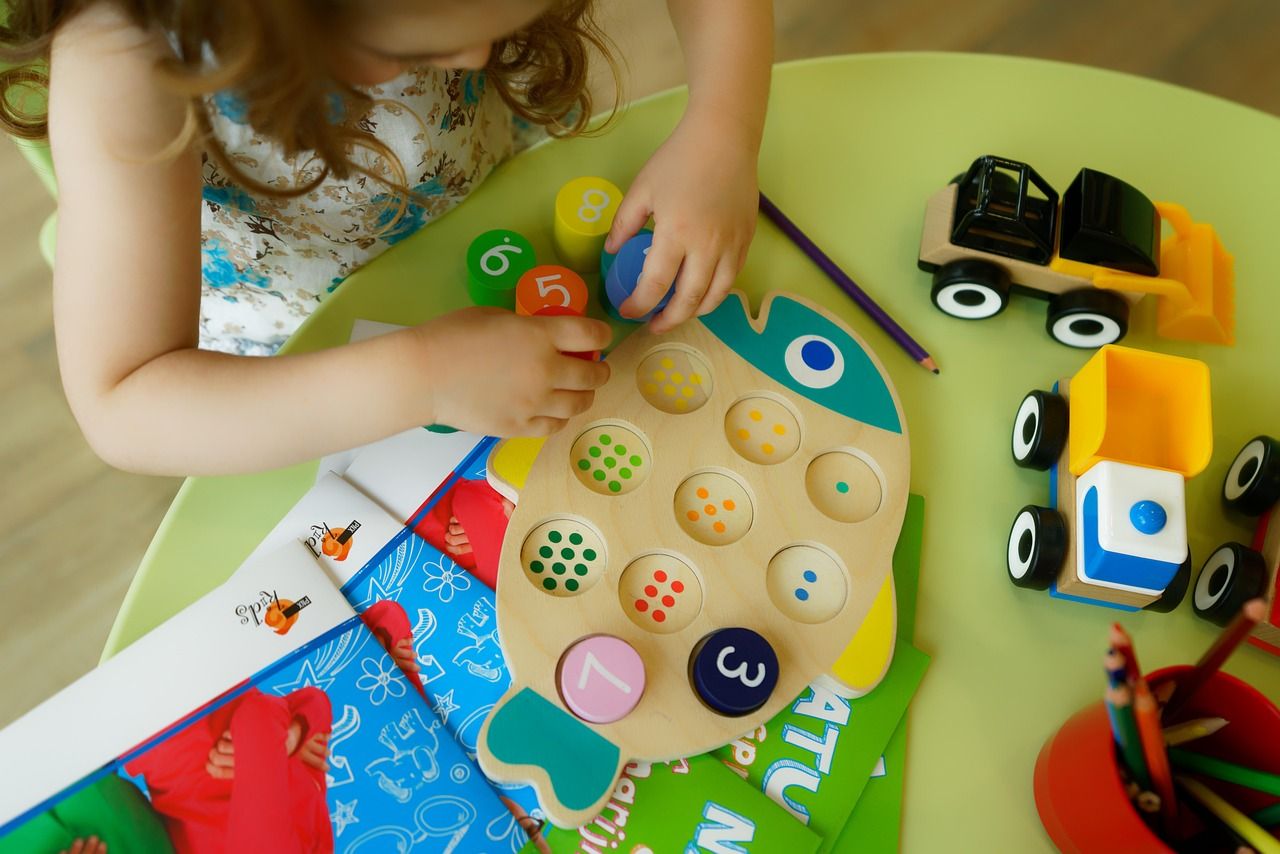
The suitable number of puzzle pieces depends more on a child’s experience than on their age. The table below is a general rule of thumb, not a precise standard.
- About 2 years: wooden shape puzzles with knobs, 2–5 large pieces.
- About 3 years: 6–12 pieces.
- About 4 years: 12–24 pieces.
- About 5–6 years: 24–100 pieces.
- About 8–10 years: 100–300 pieces.
- From age 10: 500 pieces or more, often together with adults.
How to tell when it is time to move on
If the child completes the puzzle quickly and without help and then loses interest, try the next size up. If they give up halfway through, choose fewer pieces or a picture with clearer colours and larger shapes.
Monochrome and 3D puzzles
Monochrome puzzles are more difficult because the picture does not help: everything depends on the shape of the pieces. 3D puzzles, such as a globe, develop spatial thinking and are well suited to a family project.